
How to Fix Thin or Patchy Grass
Stay up to date with news, helpful information, and seasonal insights from H.A.L Lawncare Service.
July 26, 2026


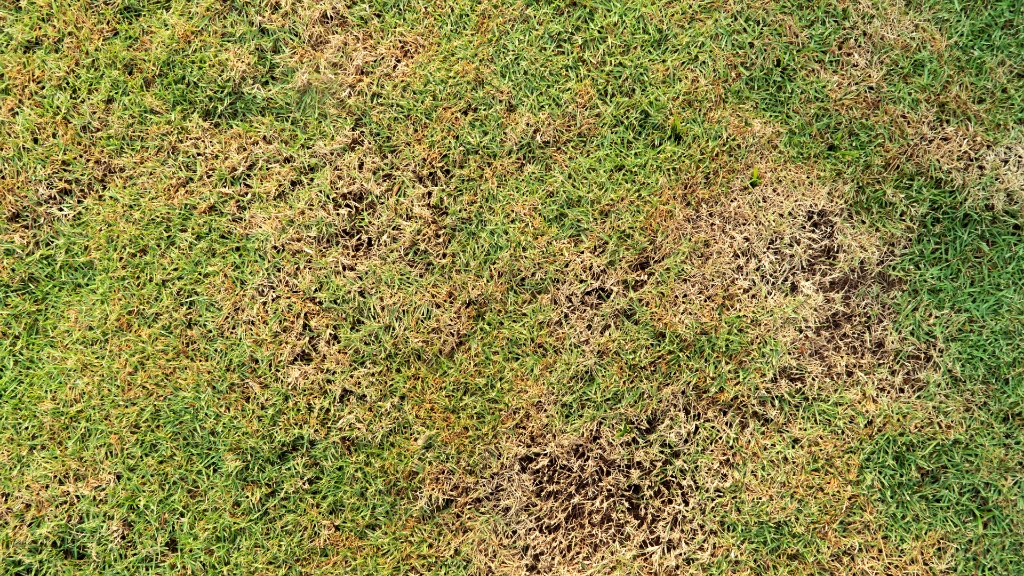
Thin or patchy grass can make an otherwise well-kept property look tired, uneven, and neglected. Even if the lawn is being mowed regularly, bare spots, weak growth, compacted soil, or thinning areas can stop the lawn from looking healthy and full.
For homeowners in Woodstock, Ontario, thin or patchy grass is common after winter, summer heat, heavy foot traffic, pet damage, poor soil conditions, or inconsistent lawn maintenance. The good news is that many patchy lawn problems can be improved with the right combination of cleanup, aeration, overseeding, fertilizing, watering, and proper mowing.
The key is to identify why the grass is thin in the first place. If you only add grass seed without fixing the underlying problem, the new grass may struggle too. H.A.L Lawncare Service provides lawn care services in Woodstock, including aeration, fertilizing, and overseeding to help support healthier, thicker, and better-looking lawns.
Why Is My Grass Thin or Patchy?
Thin or patchy grass can happen for several reasons. Sometimes the issue is simple, such as grass being cut too short or not watered properly. Other times, the problem is deeper, such as compacted soil, poor seed establishment, drainage issues, or a lawn that needs aeration and overseeding.
Common causes of thin or patchy grass include:
- Compacted soil that prevents roots from growing properly
- Heavy foot traffic from people, pets, or equipment
- Winter damage or snow mold
- Salt damage near driveways, sidewalks, or road edges
- Cutting the grass too short
- Poor watering habits
- Thin soil or low-quality growing conditions
- Too much shade
- Pet urine damage
- Weak or old grass that needs overseeding
Before repairing the lawn, take time to look at the pattern. A few small bare spots may only need spot repair. Large thin areas may need a more complete lawn care plan.
Thin Grass vs. Patchy Grass: What Is the Difference?
Thin grass and patchy grass are related, but they are not always the same problem.
| Problem | What It Looks Like | Common Solution |
|---|---|---|
| Thin grass | The lawn has grass, but it looks sparse, weak, or uneven. | Aeration, overseeding, fertilizing, and better mowing habits. |
| Patchy grass | Some areas are bare, dead, or noticeably weaker than the rest of the lawn. | Spot repair, soil preparation, overseeding, and correcting the cause. |
| Compacted lawn | Grass struggles to grow, soil feels hard, and water may run off. | Core aeration, overseeding, and improved lawn care. |
| Overgrown but weak lawn | The lawn may be long but still thin, uneven, or unhealthy underneath. | Proper mowing plus lawn care services to improve health. |
If the lawn is simply too long or uneven, regular lawn mowing services may be enough to improve the appearance. If the lawn is thin, bare, compacted, or struggling to grow, it likely needs lawn care as well.
Step 1: Inspect the Lawn Before Adding Seed
The first step is to inspect the lawn carefully. Do not start by throwing seed over the whole yard without understanding what is causing the issue.
Walk around the property and look for:
- Thin patches where grass is weak but still growing
- Bare spots where soil is exposed
- Hard soil that feels compacted underfoot
- Areas where water pools or runs off
- Spots near sidewalks or driveways that may have salt damage
- Shaded areas where grass struggles to grow
- Pet damage or high-traffic paths
- Areas where grass is being cut too short
This inspection helps you decide whether the lawn needs spot seeding, aeration, overseeding, fertilizing, better mowing, or a combination of services.
For a broader seasonal approach, you can also review our spring lawn care checklist for Woodstock homeowners.
Step 2: Check for Compacted Soil
Compacted soil is one of the most common reasons grass becomes thin or patchy. When soil is compacted, air, water, and nutrients have a harder time reaching the root zone. Grass roots may stay shallow, weak, and unable to support dense growth.
A simple test is to push a screwdriver into the soil. If it is difficult to push in, the soil may be compacted.
Your lawn may have compacted soil if:
- The ground feels hard underfoot
- Water runs off instead of soaking in
- The lawn dries out quickly
- Grass is thin in high-traffic areas
- Roots seem shallow or weak
- The lawn looks tired even after mowing
Canada.ca recommends aerating compacted lawns to help air, water, and nutrients reach the roots more easily. You can read their general guidance on maintaining a healthy lawn.
Step 3: Aerate the Lawn if Soil Is Compacted
If the soil is compacted, aeration may be one of the most important steps. Lawn aeration creates small openings in the soil so air, water, and nutrients can move more easily into the root zone.
Core aeration is often preferred for compacted lawns because it removes small plugs of soil instead of simply poking holes in the surface. Those plugs break down naturally and can help improve the soil surface over time.
Aeration can help lawns that are:
- Thin or patchy
- Compacted from foot traffic
- Slow to absorb water
- Weak after winter or summer stress
- Struggling to grow evenly
Aeration is often paired with overseeding because the openings can help seed make better contact with the soil. For Ontario lawns, fall is often the strongest time for aeration, but spring can also make sense when compaction is severe. Read our full guide on when to aerate your lawn in Ontario for more detail.
Step 4: Prepare Bare or Patchy Areas for Seed
Grass seed needs good contact with soil. If you spread seed over dead grass, heavy debris, compacted soil, or thick thatch, the seed may not establish well.
Before overseeding or repairing bare patches, prepare the area properly:
- Remove leaves, sticks, and debris
- Lightly rake dead or loose grass
- Loosen the top layer of soil in bare spots
- Add a thin layer of quality soil or compost if needed
- Level small low spots where water collects
- Make sure seed can touch soil directly
Seed-to-soil contact is one of the most important parts of fixing patchy grass. If the seed cannot reach the soil, it is much less likely to grow.
Iowa State University Extension notes that overseeding can be used to fix bare or thin spots and create a thicker stand of turfgrass. Their guide on overseeding a lawn is a useful resource for understanding how overseeding works.
Step 5: Overseed Thin Areas
Overseeding means spreading grass seed over an existing lawn to improve density and fill thin areas. It is one of the most common ways to improve a lawn that still has grass but does not look full.
Overseeding may help if your lawn has:
- Thin grass coverage
- Small bare patches
- Weak growth after winter
- Uneven colour or density
- Areas worn down by traffic or pets
For Ontario lawns, spring can be used for spot repair, but fall is often better for larger overseeding projects because many cool-season grasses grow strongly in cooler weather. Canada.ca notes that many Canadian lawns are made up mostly of cool-season turfgrasses, which have their main growth periods in spring and fall. You can read more in their guide on starting a lawn.
H.A.L Lawncare Service provides overseeding and lawn care services for lawns that need help becoming thicker and more even.
Step 6: Choose the Right Grass Seed for the Area
Not every part of a lawn has the same growing conditions. A sunny front lawn, a shaded side yard, and a high-traffic backyard may need different approaches.
Before choosing seed, consider:
- How much sun the area receives
- Whether the soil is compacted
- How much foot traffic the area gets
- Whether the area dries out quickly
- Whether the patch is near trees, fences, or buildings
- Whether the lawn is mainly for appearance, use, or both
A shaded area may not improve much if you use a seed mix meant for full sun. A high-traffic area may thin out again if the soil remains compacted. Matching the repair plan to the area gives the grass a better chance to establish.
Step 7: Water New Seed Consistently
Watering is critical after seeding. New grass seed needs consistent moisture to germinate and establish. If the seed dries out during the early stages, patchy results are much more likely.
The goal is to keep the seeded area moist without flooding it. Light, consistent watering is usually needed at first. Once the new grass has started growing and becomes more established, watering can be adjusted.
When watering new seed:
- Keep the seedbed consistently moist
- Avoid washing seed away with heavy watering
- Water lightly and carefully in the early stages
- Reduce watering frequency once grass is established
- Follow local outdoor water use rules
Woodstock homeowners should also be aware of local outdoor water use guidance. Oxford County provides water conservation information for communities in the County, including outdoor water use rules during warmer months.
Step 8: Fertilize Carefully
Fertilizing can help support stronger growth, better colour, and improved lawn recovery, but it should be done properly. Adding fertilizer at the wrong time, using too much, or applying it to stressed grass can create problems.
Fertilizer may help if your lawn is:
- Pale or dull
- Slow to recover
- Thin but actively growing
- Weak after winter stress
- Struggling to fill in after overseeding
Fertilizing works best as part of a complete lawn care plan. If the soil is compacted, aeration may be needed first. If the lawn is thin, overseeding may be needed too. If the grass is being cut too short, mowing habits should also be corrected.
This is why lawn mowing and lawn care are different services. Mowing keeps the lawn neat, while lawn care helps improve the condition of the grass over time.
Step 9: Mow Properly After Repairing Patchy Grass
Mowing matters when fixing thin or patchy grass. Cutting too short can stress the lawn and make it harder for new grass to establish. It can also make existing thin areas worse.
After overseeding, wait until the new grass is established enough to handle mowing. When you do mow, avoid cutting too much at once. Follow the one-third rule, which means you should avoid removing more than one-third of the grass blade in a single mow.
Good mowing habits include:
- Keeping grass at a healthy height
- Avoiding very short cuts
- Using sharp mower blades
- Mowing when the lawn is dry
- Adjusting the mowing schedule based on growth
If you need help keeping your lawn consistently maintained, H.A.L Lawncare Service provides lawn mowing services in Woodstock for residential and commercial properties.
Step 10: Keep Foot Traffic Off New Grass
New grass is delicate. After seeding or repairing bare spots, try to keep people, pets, and equipment off the area until the grass has established.
Foot traffic can:
- Move seed out of place
- Compact freshly prepared soil
- Damage young grass plants
- Create new bare spots before repair is complete
If the patchy area is caused by repeated traffic, think about why. A worn path from pets, children, or regular walking may return unless the traffic pattern changes. In some areas, garden redesign, stepping stones, mulch, or a different layout may make more sense than trying to force grass to grow where it is constantly worn down.
For help improving outdoor spaces around the lawn, H.A.L Lawncare Service also offers garden maintenance and design services.
How to Fix Different Types of Patchy Lawn Problems
Different patchy lawn problems need different solutions. Use this guide to match the issue with the most likely repair approach.
| Lawn Problem | Likely Cause | Possible Fix |
|---|---|---|
| Thin grass across the whole lawn | Weak turf, old grass, poor maintenance, or nutrient needs. | Aeration, overseeding, fertilizing, and proper mowing. |
| Bare spots in high-traffic areas | Foot traffic, pets, equipment, or compacted soil. | Aeration, soil repair, overseeding, and reducing traffic. |
| Patchy grass near driveway or sidewalk | Salt damage, heat from hard surfaces, or poor soil. | Rake, repair soil, overseed, water carefully, and monitor salt exposure. |
| Grass thinning under trees | Shade, root competition, or dry soil. | Use shade-tolerant seed, improve soil, water properly, or consider garden bed changes. |
| Patchy lawn after winter | Snow mold, matted grass, salt, compaction, or winter stress. | Light raking, spring assessment, overseeding, aeration, and seasonal lawn care. |
| Grass looks fine after mowing but weak overall | Mowing is improving appearance but not addressing lawn health. | Consider professional lawn care services. |
When Is the Best Time to Fix Thin or Patchy Grass in Ontario?
The best time to fix thin or patchy grass in Ontario depends on the type of repair.
Spring can be useful for cleaning up winter damage and repairing small patches. Fall is often better for larger overseeding and lawn improvement projects because cooler temperatures and seasonal moisture can help cool-season grasses establish.
| Season | Best Use | Watch Out For |
|---|---|---|
| Spring | Spot repairs, light overseeding, cleanup, and assessing winter damage. | Wet soil, early weed pressure, and rushing before the lawn is actively growing. |
| Summer | Maintenance, mowing, watering, and monitoring stress. | Heat, drought, and poor seed establishment in hot weather. |
| Fall | Aeration, overseeding, fertilizing, and larger lawn improvement work. | Waiting too late when frost is near or growth is slowing down. |
If you are trying to repair a large thin area, fall is usually a strong time to plan the work. If you are dealing with a few visible patches in spring, spot repair may still be worthwhile.
Should You Use Sod or Seed for Bare Spots?
Both sod and seed can work, but they serve different needs.
Grass seed is often used for overseeding, small patch repair, and improving lawn density. It is usually more affordable and useful when repairing thin grass across a larger area.
Sod gives a faster visual result and can be useful for larger bare areas where quick coverage is needed. However, sod still needs proper soil preparation, watering, and aftercare. If the underlying issue is compacted soil, poor drainage, or heavy traffic, sod may struggle too.
| Option | Best For | Considerations |
|---|---|---|
| Grass seed | Thin areas, overseeding, smaller bare spots, and improving density. | Needs seed-to-soil contact, consistent moisture, and time to establish. |
| Sod | Quick coverage for larger bare areas. | Needs proper soil preparation, watering, and root establishment. |
For many thin or patchy lawns, overseeding combined with aeration and proper lawn care is a practical place to start.
Common Mistakes When Fixing Patchy Grass
Patchy grass repairs often fail because the underlying problem is not fixed. Avoid these common mistakes:
- Throwing seed on top of dead grass: Seed needs contact with soil to grow properly.
- Skipping soil preparation: Hard, compacted soil makes it difficult for new grass to establish.
- Watering inconsistently: New seed needs consistent moisture in the early stages.
- Mowing too soon: New grass needs time to establish before being cut.
- Cutting too short: Short mowing can stress both new and existing grass.
- Ignoring shade: Some areas may need shade-tolerant seed or a different planting approach.
- Ignoring traffic patterns: Grass may keep thinning if people or pets repeatedly wear down the same area.
- Expecting instant results: Lawn repair takes time, especially when overseeding or improving soil conditions.
A healthier lawn usually comes from consistent maintenance rather than a one-time fix.
How to Keep Grass From Becoming Thin Again
Once your lawn starts improving, the next step is keeping it healthy. Regular maintenance helps prevent thin or patchy grass from returning.
To help keep grass thicker over time:
- Mow at a healthy height
- Avoid cutting more than one-third of the grass blade at once
- Water deeply when needed and follow local water rules
- Aerate compacted soil when necessary
- Overseed thin areas before they become bare
- Fertilize properly when the lawn is actively growing
- Keep heavy debris off the lawn
- Address drainage, shade, and traffic issues
If the rest of the property also needs attention, pairing lawn repair with garden maintenance can help the whole outdoor space look cleaner and more cared for.
Frequently Asked Questions About Thin or Patchy Grass
Why is my lawn thin and patchy?
Thin or patchy grass can be caused by compacted soil, heavy foot traffic, winter damage, salt damage, shade, pet damage, poor watering, cutting grass too short, or a lawn that needs overseeding and fertilizing.
Can thin grass become thick again?
Thin grass can often be improved with proper lawn care. Aeration, overseeding, fertilizing, watering, and healthy mowing habits can help support thicker grass over time, depending on the condition of the lawn.
What is the best way to fix bare spots in a lawn?
The best approach is to remove debris, loosen the soil, add quality soil if needed, apply grass seed, keep the area moist, and protect it from foot traffic while the new grass establishes.
Should I aerate before overseeding?
Aerating before overseeding can be helpful, especially if the soil is compacted. Aeration creates openings that can improve seed-to-soil contact and help air, water, and nutrients reach the root zone.
When should I overseed my lawn in Ontario?
Spring can be used for spot repairs, but fall is often better for larger overseeding projects in Ontario because cool-season grass grows well in cooler conditions. Timing depends on weather, lawn condition, and how much repair is needed.
Why did my grass seed not grow?
Grass seed may fail if it does not make contact with soil, dries out, washes away, is planted at the wrong time, is covered too deeply, or is placed in an area with poor soil, heavy shade, or constant traffic.
Can mowing fix patchy grass?
Mowing can improve the appearance of a lawn, but it will not fix compacted soil, bare spots, weak roots, or poor growth. If your lawn still looks thin after mowing, it may need lawn care rather than just another cut.
Should I fertilize patchy grass?
Fertilizing can help support growth, but it works best when the lawn is actively growing and the underlying issue has been addressed. If the soil is compacted or bare spots need seed, aeration and overseeding may also be needed.
Can garden beds help where grass will not grow?
Yes. In areas where grass struggles because of shade, traffic, or layout issues, a garden bed or design adjustment may be more practical than repeatedly trying to grow grass. H.A.L Lawncare Service provides garden maintenance and design services for outdoor areas that need a different approach.
Need Help Fixing Thin or Patchy Grass in Woodstock?
Thin or patchy grass usually needs more than a quick cut. The lawn may need aeration, overseeding, fertilizing, better mowing, or a seasonal lawn care plan to improve its health and appearance over time.
H.A.L Lawncare Service helps homeowners and businesses in Woodstock and the surrounding area keep lawns healthier, thicker, and better maintained. To request a quote for lawn care, overseeding, aeration, or seasonal maintenance, contact H.A.L Lawncare Service today.
Our Services
Complete Lawn & Yard Services
We offer a range of lawn care and outdoor maintenance services designed to keep residential and commercial properties looking neat, healthy, and inviting throughout the season.
Lawn Mowing
Services
Keep your property looking clean, polished, and well cared for with reliable lawn mowing services tailored to your needs.
Lawn Care
Services
Give your lawn the care it needs to grow thicker, greener, and healthier with aerating, fertilizing, and overseeding services.
Garden Maintenance & Design
Refresh the look of your property with garden maintenance and design services that keep flowerbeds, hedges, and shrubs neat, attractive, and well planned.
Contact Us
Request a Quote Today
Looking for dependable lawn care or property maintenance in Woodstock or the surrounding area?
Get in touch with H.A.L Lawncare Service today to request a quote for residential or commercial services.