
When Should You Aerate Your Lawn in Ontario?
Stay up to date with news, helpful information, and seasonal insights from H.A.L Lawncare Service.
June 17, 2026


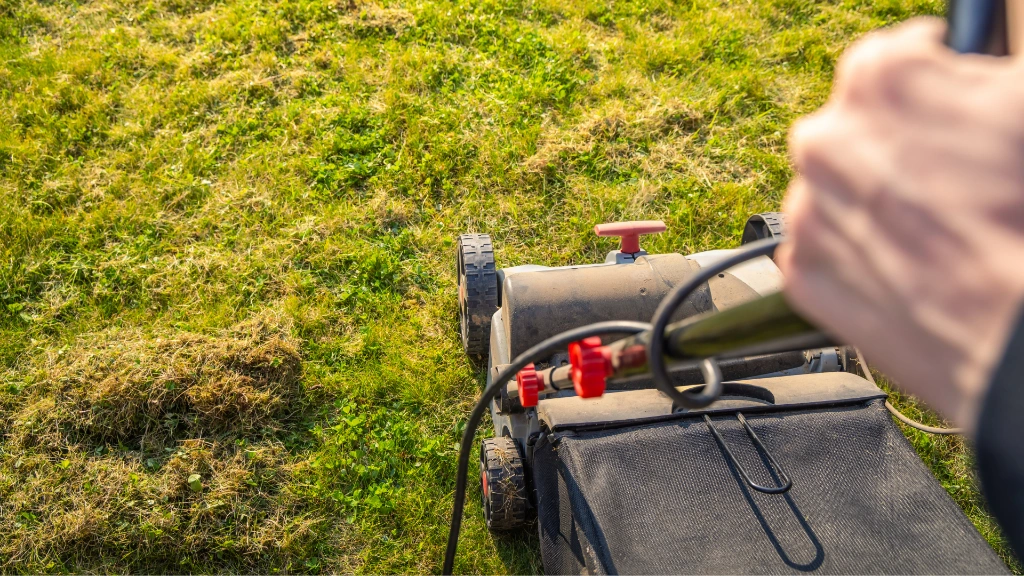
For most lawns in Ontario, the best time to aerate is when the grass is actively growing and able to recover. In many cases, that means early fall is the strongest window, especially for the cool-season lawns commonly found across Ontario. Spring can also work when a lawn is badly compacted, but fall is often preferred because the weather is cooler, moisture is more reliable, and the lawn has time to recover before winter.
Lawn aeration can be especially helpful if your grass looks thin, patchy, tired, or uneven even though it is being mowed regularly. Aeration helps reduce soil compaction and creates openings that allow air, water, and nutrients to reach the root zone more effectively.
For homeowners and businesses in Woodstock, H.A.L Lawncare Service provides lawn care services that can include aeration, fertilizing, and overseeding to help support healthier, thicker, and better-looking lawns.
Best Time to Aerate a Lawn in Ontario
In Ontario, the best time to aerate most lawns is usually early fall, often from late August through October depending on the weather. This is when many cool-season grasses are actively growing again after summer heat, making it easier for the lawn to recover from aeration.
Spring can also be an option, especially if the lawn is badly compacted or struggling after winter. However, spring aeration should usually wait until the lawn is actively growing and the soil is firm enough to handle equipment without turning muddy.
| Season | Is It a Good Time to Aerate? | Best Use |
|---|---|---|
| Early Spring | Sometimes | Useful for lawns with serious compaction or winter damage, once the lawn is actively growing. |
| Late Spring | Sometimes | Can work if the soil is moist but not wet, but avoid aerating during heat or drought stress. |
| Summer | Usually not ideal | Hot, dry weather can make aeration stressful for the lawn. |
| Early Fall | Often best | Ideal for many Ontario lawns because grass is actively growing and conditions are usually cooler. |
| Late Fall | Depends on timing | Can be too late if the lawn is slowing down or frost is near. |
The key is not just the month. The lawn should be actively growing, the soil should be moist but not saturated, and the grass should have enough time to recover afterward.
Why Fall Is Often the Best Time for Lawn Aeration
Fall is often the best time to aerate in Ontario because the lawn is usually recovering from summer stress. Cooler temperatures, more consistent moisture, and renewed grass growth can make fall a strong season for lawn improvement.
Aerating in early fall can help prepare the lawn for other helpful services, such as overseeding and fertilizing. When the soil is opened up through core aeration, grass seed may have better contact with the soil, and water and nutrients can move more easily into the root zone.
Fall aeration is especially useful if your lawn has:
- Thin or patchy grass after summer
- Hard or compacted soil
- Heavy foot traffic from kids, pets, or outdoor use
- Areas where water runs off instead of soaking in
- Weak growth even with regular lawn mowing
If your lawn needs help filling in thin areas after aeration, H.A.L Lawncare Service’s lawn care services in Woodstock can also include overseeding and fertilizing as part of a broader lawn improvement plan.
Can You Aerate Your Lawn in Spring?
Yes, you can aerate your lawn in spring, but it should be done carefully. Spring aeration is usually best for lawns that are badly compacted, struggling after winter, or not absorbing water properly.
The main issue with spring aeration is timing. If the soil is too wet, aerating can create a mess and cause more damage than benefit. If the lawn is not actively growing yet, it may not recover as well. Spring can also be a time when weed seeds are active, so opening the soil too early may create opportunities for weeds if the lawn is thin.
Spring aeration may make sense if:
- The lawn feels hard underfoot
- Water pools or runs off after rain
- The lawn is thin or weak after winter
- Soil compaction is clearly affecting growth
- You do not want to wait until fall to address the issue
If the lawn is already in decent condition, waiting until fall may be the better option.
Should You Aerate in Summer?
Summer is usually not the best time to aerate lawns in Ontario. Hot, dry weather can already put stress on grass, and aeration temporarily disturbs the lawn. If the lawn is dormant, drought-stressed, or struggling in the heat, aerating can make recovery harder.
There may be exceptions after periods of steady rainfall when the lawn is actively growing and not under heat stress, but summer aeration is generally less ideal than fall or spring.
During summer, focus more on proper mowing height, avoiding overly short cuts, and keeping the lawn from becoming stressed. If your lawn is mainly untidy or overgrown, regular lawn mowing services may be the better immediate solution. If the lawn is thin, compacted, or tired-looking, aeration can often wait until early fall.
What Is Lawn Aeration?
Lawn aeration is the process of creating small openings in the soil so air, water, and nutrients can move more easily into the root zone. The most effective type for compacted lawns is usually core aeration, which removes small plugs of soil from the lawn.
Those small soil plugs may look messy for a short time, but they are part of the process. They break down naturally and help improve the soil surface over time.
Aeration is helpful because compacted soil makes it harder for grass roots to grow deeply. When the root zone does not get enough oxygen, water, or nutrients, the lawn may become thin, weak, or uneven.
Core Aeration vs. Spike Aeration
There are different types of lawn aeration, but core aeration and spike aeration are the two most common.
| Type of Aeration | How It Works | Best For |
|---|---|---|
| Core Aeration | Removes small plugs of soil from the lawn. | Compacted lawns, clay soil, heavy-use areas, and lawns needing deeper improvement. |
| Spike Aeration | Punches holes into the soil without removing plugs. | Minor compaction or temporary surface-level help. |
For many compacted lawns, core aeration is preferred because it actually removes soil and creates space. Spike aeration can sometimes push soil sideways and may not relieve compaction as effectively.
Signs Your Lawn Needs Aeration
Not every lawn needs aeration every year. The need depends on soil condition, lawn use, drainage, and how well the grass is growing. Some lawns benefit from annual aeration, while others may only need it every few years.
Your lawn may need aeration if:
- The soil feels hard or compacted underfoot
- Water pools on the surface or runs off instead of soaking in
- The lawn has thin, patchy, or weak areas
- Grass struggles to grow evenly
- The lawn gets heavy foot traffic from people, pets, or equipment
- The ground feels dense and difficult to push into with a screwdriver
- The lawn dries out quickly even after rain
A simple test is to push a screwdriver into the soil. If it is difficult to push in, the lawn may be compacted and could benefit from aeration.
Why Soil Compaction Is a Problem
Soil compaction happens when soil particles are pressed tightly together. This can happen from foot traffic, pets, equipment, repeated mowing patterns, heavy clay soil, or regular use of the yard.
When soil becomes compacted, grass roots have less space to grow. Water, air, and nutrients may not move through the soil properly. Over time, the lawn can become thinner, weaker, and less able to recover from heat, drought, or heavy use.
Compacted soil can lead to:
- Shallow roots
- Poor water absorption
- Thin or uneven grass
- More runoff after rain
- Weak growth in high-traffic areas
- A lawn that looks tired even after mowing
If your lawn looks neat after mowing but still seems weak or thin, it may need lawn care rather than just another cut.
Should You Aerate Before Overseeding?
Aerating before overseeding can be helpful because it creates openings in the soil where new grass seed can make better contact. This is one reason fall is such a common time for lawn improvement.
When aeration and overseeding are done together, the goal is to reduce compaction and help new grass establish in thin or patchy areas. After overseeding, consistent watering is important so the new seed can germinate and begin growing.
Aeration before overseeding can be useful if your lawn has:
- Thin patches
- Bare or weak areas
- Compacted soil
- Uneven growth
- Areas that struggle to fill in
H.A.L Lawncare Service provides aeration, fertilizing, and overseeding services for lawns that need more than basic mowing.
Should You Fertilize After Aeration?
Fertilizing after aeration can be beneficial because the soil has been opened up, allowing nutrients to move more easily toward the root zone. This can support stronger growth and help the lawn recover after aeration.
However, fertilizing should be done properly. The right timing and approach depend on the condition of the lawn, the season, and what the grass needs. Over-fertilizing or applying the wrong product can create problems.
A practical lawn care plan may include:
- Aeration to reduce compaction
- Overseeding to help fill thin areas
- Fertilizing to support stronger growth
- Regular mowing to keep the lawn maintained
This is where the difference between mowing and lawn care matters. Lawn mowing keeps the grass neat, while lawn care supports the health and condition of the lawn.
How Often Should You Aerate Your Lawn?
How often you should aerate depends on the condition of the lawn. A heavily used or compacted lawn may benefit from aeration every year. A lawn with lighter use and healthier soil may only need aeration every few years.
You may need annual aeration if:
- Your property gets heavy foot traffic
- Your soil is clay-heavy or compacted
- Your lawn has recurring thin or weak areas
- Water does not soak in well
- The lawn is used often by kids, pets, tenants, or customers
You may not need aeration every year if:
- The lawn is thick and healthy
- Water soaks in properly
- The soil does not feel hard or compacted
- The grass is growing evenly
For commercial properties or high-use residential lawns, aeration may be needed more regularly than for lower-traffic properties.
Should New Sod or Newly Seeded Grass Be Aerated?
New sod or newly seeded grass should usually be left alone until it is properly established. Aerating too soon can disturb young roots, damage new grass, and interrupt establishment.
If you recently seeded your lawn, wait until the new grass is mature enough to handle mowing and regular use before considering aeration. If you recently installed sod, allow it to root properly before any disruptive lawn care work.
For lawns that are already established but thin or patchy, aeration and overseeding may be a good combination.
How Lawn Aeration Fits Into Seasonal Lawn Care
Aeration is one part of a broader lawn care plan. It helps reduce compaction, but it works best when paired with proper mowing, watering, fertilizing, and overseeding when needed.
A strong lawn care plan may include:
- Spring cleanup and early-season lawn assessment
- Regular mowing during the growing season
- Aeration when soil compaction is affecting growth
- Overseeding to improve thin areas
- Fertilizing to support healthier grass
- Fall preparation before winter
If your property also has flowerbeds, shrubs, hedges, or overgrown outdoor areas, garden maintenance and design services can help keep the rest of the property looking clean and cared for.
Ontario Lawn Aeration Timing by Situation
Different lawn problems may call for different timing. Use this as a general guide.
| Lawn Situation | Best Aeration Timing | Why |
|---|---|---|
| Thin or patchy lawn | Early fall | Aeration can be paired with overseeding while grass is actively growing. |
| Compacted soil | Spring or fall | Spring may help severe compaction, while fall is often best for recovery. |
| High-traffic lawn | Annually, often in fall | Repeated use can compact soil and weaken growth. |
| Healthy lawn with no major issues | Every few years, if needed | Aeration may not be necessary every season if the lawn is already growing well. |
| Newly seeded lawn | Wait until established | Aerating too soon can disturb young grass and new roots. |
Frequently Asked Questions About Lawn Aeration in Ontario
What month should I aerate my lawn in Ontario?
For many Ontario lawns, early fall is the best time to aerate. Late August, September, and early October are often good windows, depending on weather and lawn conditions. Spring can also work if the lawn is compacted and actively growing.
Is spring or fall better for lawn aeration?
Fall is often better for many Ontario lawns because grass is actively growing, temperatures are cooler, and the lawn has time to recover. Spring can still be useful for lawns with serious compaction or winter damage.
Can I aerate my lawn in the summer?
Summer is usually not ideal because heat and drought can stress the lawn. Aeration is best done when the grass is actively growing and not already struggling from hot, dry conditions.
How do I know if my lawn needs aeration?
Your lawn may need aeration if the soil feels hard, water runs off instead of soaking in, grass looks thin or patchy, or high-traffic areas are struggling. The screwdriver test can also help: if it is hard to push into the soil, compaction may be a problem.
Should I overseed after aerating?
Overseeding after aeration can be helpful for thin or patchy lawns because seed can make better contact with the soil. This is one reason early fall is a popular time for aeration and overseeding.
Should I mow before aerating?
It can be helpful to mow before aeration so the equipment can reach the soil more effectively. The lawn should not be extremely wet or muddy when aeration is done.
How long does it take a lawn to recover after aeration?
Recovery depends on the condition of the lawn, weather, watering, and timing. When aeration is done during active growth, the lawn can usually recover more effectively.
Do the soil plugs need to be removed after aeration?
In most cases, the soil plugs can be left on the lawn. They will break down naturally and return soil and organic matter to the surface.
Need Help With Lawn Aeration in Woodstock?
If your lawn is thin, patchy, compacted, or struggling to grow evenly, aeration may be the right next step. H.A.L Lawncare Service provides lawn care services in Woodstock and the surrounding area, including aeration, fertilizing, and overseeding for residential and commercial properties.
To ask about lawn aeration or request a quote, contact H.A.L Lawncare Service today.
Our Services
Complete Lawn & Yard Services
We offer a range of lawn care and outdoor maintenance services designed to keep residential and commercial properties looking neat, healthy, and inviting throughout the season.
Lawn Mowing
Services
Keep your property looking clean, polished, and well cared for with reliable lawn mowing services tailored to your needs.
Lawn Care
Services
Give your lawn the care it needs to grow thicker, greener, and healthier with aerating, fertilizing, and overseeding services.
Garden Maintenance & Design
Refresh the look of your property with garden maintenance and design services that keep flowerbeds, hedges, and shrubs neat, attractive, and well planned.
Contact Us
Request a Quote Today
Looking for dependable lawn care or property maintenance in Woodstock or the surrounding area?
Get in touch with H.A.L Lawncare Service today to request a quote for residential or commercial services.