
Overseeding vs. Reseeding: What’s the Difference?
Stay up to date with news, helpful information, and seasonal insights from H.A.L Lawncare Service.
August 25, 2026


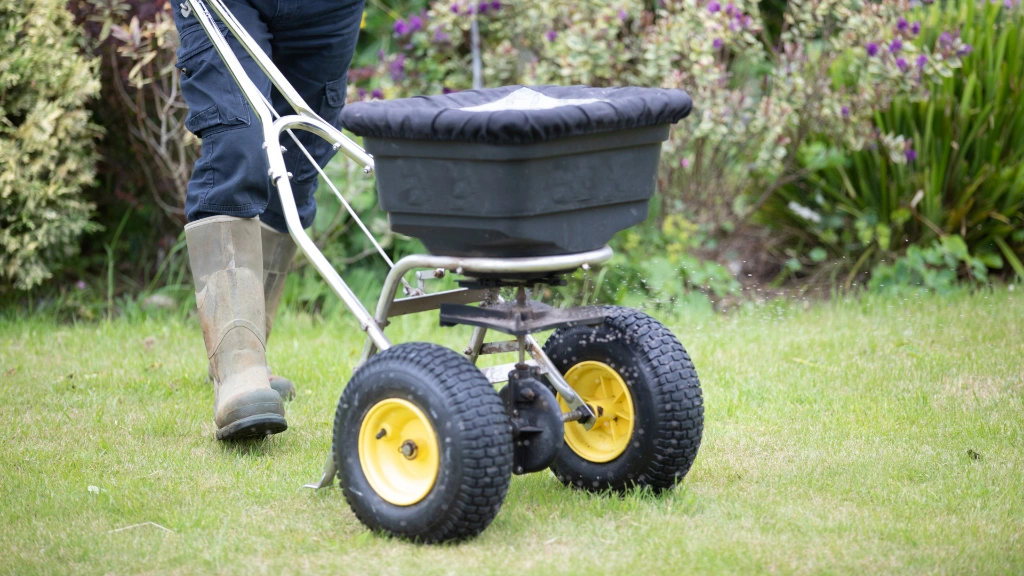
Overseeding and reseeding both involve adding grass seed, but they are not exactly the same thing. Overseeding adds seed to an existing lawn to improve thickness, density, and appearance. Reseeding usually means repairing bare or heavily damaged areas, or starting a section of lawn over more completely.
For homeowners in Woodstock, Ontario, knowing the difference can help you choose the right approach. If your lawn is thin but still has grass, overseeding may be the better option. If an area is bare, dead, or badly damaged, reseeding or spot repair may be needed.
H.A.L Lawncare Service provides lawn care services in Woodstock, including overseeding, aeration, and fertilizing to help support thicker, healthier-looking lawns.
Overseeding Thickens a Lawn, Reseeding Repairs or Replaces It
The easiest way to understand the difference is this:
- Overseeding is adding grass seed over an existing lawn to make it thicker.
- Reseeding is adding grass seed to bare, dead, or badly damaged areas that need more complete repair.
| Service | Best For | Goal |
|---|---|---|
| Overseeding | Thin lawns that still have existing grass. | Improve thickness, density, and overall appearance. |
| Reseeding | Bare, dead, or heavily damaged areas. | Repair or restart grass growth in damaged spots. |
| Aeration before seeding | Compacted lawns or weak seed establishment areas. | Improve soil contact and growing conditions. |
Iowa State University Extension explains that overseeding is commonly used to improve the density of existing turfgrass. Their guide on overseeding a lawn is a helpful resource for understanding the process.
What Is Overseeding?
Overseeding means spreading grass seed over an existing lawn without removing the current grass. It is used when a lawn is still alive but looks thin, weak, patchy, or uneven.
Overseeding can help:
- Fill thin areas
- Improve lawn density
- Support a fuller-looking lawn
- Improve the appearance of older grass
- Reduce open space where weeds can move in
- Help a lawn recover from seasonal stress
Overseeding is often used along with aeration because seed needs good soil contact to establish properly. If the lawn is compacted, adding seed alone may not work well.
What Is Reseeding?
Reseeding is usually used when part of the lawn needs more complete repair. This may include bare spots, dead patches, damaged areas, or sections where grass is no longer growing well enough to recover with simple overseeding.
Reseeding may involve:
- Removing dead grass or debris
- Loosening or preparing the soil
- Adding soil or compost if needed
- Applying grass seed to bare areas
- Watering consistently while seed establishes
- Keeping traffic off the repaired area
Milorganite’s lawn repair guide describes overseeding as applying seed to existing turf and reseeding as a more complete restart for bare or heavily damaged areas. Their guide on overseeding, patching, and reseeding damaged lawns explains the practical difference.
When Overseeding Is the Better Choice
Overseeding is usually the better choice when the lawn still has grass but does not look thick or healthy enough.
Choose overseeding if your lawn has:
- Thin grass
- Uneven density
- Small weak patches
- Older grass that looks tired
- Areas worn down by normal use
- Spots that need thickening rather than full replacement
Overseeding works best when the existing lawn is still worth improving. If there is enough grass to build on, overseeding can help create a fuller appearance over time.
For lawns that are thin or uneven, H.A.L Lawncare Service’s lawn care services can help with overseeding, aeration, and fertilizing.
When Reseeding Is the Better Choice
Reseeding is usually better when there is little or no healthy grass left in a specific area. If the soil is exposed, the grass is dead, or a patch has failed repeatedly, it may need a more complete repair.
Choose reseeding if your lawn has:
- Bare soil
- Dead patches
- Large damaged areas
- Failed grass growth
- Salt damage near driveways or sidewalks
- Pet damage or heavy traffic damage
- Areas where overseeding alone has not worked
Reseeding requires more preparation than overseeding because the area usually needs to be cleaned, loosened, leveled, and watered carefully.
Overseeding vs. Reseeding: Main Differences
| Question | Overseeding | Reseeding |
|---|---|---|
| Is existing grass present? | Yes, the lawn still has grass. | Often little or no healthy grass remains. |
| How much prep is needed? | Moderate prep, especially raking or aeration. | More prep, including clearing and soil preparation. |
| What is the goal? | Thicken and improve the existing lawn. | Repair or restart damaged areas. |
| Best for thin lawns? | Yes. | Only if areas are bare or dead. |
| Best for bare spots? | Sometimes, if minor. | Yes, especially for larger bare areas. |
If your lawn is mostly alive but thin, overseeding is often the better starting point. If the lawn has bare or dead areas, reseeding those spots may be needed.
Why Seed-to-Soil Contact Matters
Whether you are overseeding or reseeding, grass seed needs contact with soil. Seed that sits on top of leaves, dead grass, thatch, or compacted ground may not germinate well.
Before seeding, prepare the area by:
- Removing leaves, sticks, and debris
- Raking loose or dead grass
- Loosening bare soil where needed
- Leveling low spots
- Aerating compacted areas
- Watering carefully after seeding
Canada.ca recommends overseeding thinned areas as part of healthy lawn maintenance. Their guide on how to have a healthy lawn also covers practices such as aeration, mowing, watering, and fertilizing.
Should You Aerate Before Overseeding or Reseeding?
Aeration can be very helpful before overseeding, especially if the lawn is compacted. Aeration creates small openings in the soil, which can improve air, water, nutrient movement, and seed-to-soil contact.
Aeration may be useful if:
- The soil feels hard underfoot
- Water runs off instead of soaking in
- The lawn is thin or weak
- Grass struggles in high-traffic areas
- Seed has failed to establish in the past
For more detail, read our guide on signs your lawn needs aeration or our article on when to aerate your lawn in Ontario.
When Is the Best Time to Overseed or Reseed in Ontario?
For many Ontario lawns, fall is often the best time for larger overseeding or reseeding projects because cool-season grass grows well in cooler conditions and seasonal moisture is often more reliable.
Spring can also work for smaller spot repairs, especially if the lawn has winter damage. Summer is usually more challenging because heat and dry conditions can make seed establishment harder.
| Season | Best Use | Consideration |
|---|---|---|
| Spring | Spot repairs and small damaged areas. | Watch for wet soil and early weed pressure. |
| Summer | Usually not ideal for major seeding. | Heat and drought can make seed establishment harder. |
| Fall | Overseeding, aeration, and larger lawn repair. | Often the strongest window for cool-season lawns. |
If you are planning a larger lawn improvement project, fall is often the better time. If you only need to fix a few patches, spring spot repair may still be useful.
Watering After Overseeding or Reseeding
Watering is one of the most important parts of seeding success. New seed must stay consistently moist while it germinates and begins to establish.
After seeding:
- Water lightly and consistently
- Do not let the seedbed dry out
- Avoid heavy watering that washes seed away
- Reduce watering frequency as grass becomes established
- Keep people and pets off newly seeded areas
Woodstock homeowners should also be aware of local outdoor water use guidance. Oxford County provides water conservation information for communities in the County.
Mowing After Overseeding or Reseeding
New grass needs time to establish before it is mowed. Mowing too soon can pull up seedlings or damage young grass.
When mowing after seeding:
- Wait until new grass is tall enough and strong enough to cut
- Use sharp mower blades
- Avoid cutting too short
- Follow the one-third rule
- Mow only when the lawn is dry enough
If you need regular seasonal maintenance after seeding work, H.A.L Lawncare Service provides lawn mowing services for residential and commercial properties.
Common Overseeding and Reseeding Mistakes
Seeding projects often fail because the lawn was not prepared properly or the seed did not receive the right care afterward.
Common mistakes include:
- Spreading seed over debris or dead grass
- Skipping soil preparation
- Ignoring compacted soil
- Using the wrong seed for shade or sun conditions
- Letting seed dry out
- Watering too heavily and washing seed away
- Mowing too soon
- Allowing pets or foot traffic on new grass
A successful lawn repair usually depends on preparation, timing, watering, and follow-up maintenance.
Which Option Is Right for Your Lawn?
Use this simple guide:
| What You See | Likely Best Option |
|---|---|
| The lawn is thin but still alive. | Overseeding |
| There are small weak areas. | Overseeding or spot repair |
| There are bare patches with exposed soil. | Reseeding |
| The soil is hard and compacted. | Aeration before seeding |
| The lawn is long but otherwise healthy. | Lawn mowing |
| The full property needs outdoor cleanup. | Garden maintenance |
If the issue is lawn health, start with lawn care services. If the issue is grass height and appearance, lawn mowing may be the better fit.
Frequently Asked Questions About Overseeding and Reseeding
Is overseeding the same as reseeding?
No. Overseeding adds seed to an existing lawn to improve thickness. Reseeding usually repairs bare, dead, or heavily damaged areas that need more complete repair.
When should I overseed my lawn in Ontario?
Fall is often the best time for larger overseeding projects in Ontario. Spring can work for smaller spot repairs, depending on weather and lawn condition.
Do I need aeration before overseeding?
Aeration is helpful when soil is compacted or seed has trouble reaching the soil. It can improve seed-to-soil contact and support better growing conditions.
Can I just throw grass seed on my lawn?
Seed needs contact with soil to establish well. Throwing seed over debris, thatch, or compacted ground often leads to poor results.
Should I overseed or reseed bare spots?
Small thin areas may respond to overseeding, but bare spots usually need reseeding or spot repair with proper soil preparation.
How long does overseeding take to work?
Results depend on seed type, weather, watering, soil contact, and aftercare. New growth can take time, and the lawn usually improves gradually rather than instantly.
Can overseeding fix a patchy lawn?
Overseeding can help improve thin or patchy lawns, especially when the existing grass is still alive. If patches are bare or dead, reseeding may be needed.
Need Help With Overseeding or Lawn Repair in Woodstock?
Thin, patchy, or damaged grass often needs more than regular mowing. H.A.L Lawncare Service helps homeowners and businesses in Woodstock improve lawns through aeration, overseeding, fertilizing, and seasonal lawn care.
To request a quote for lawn care or lawn repair, contact H.A.L Lawncare Service today.
Our Services
Complete Lawn & Yard Services
We offer a range of lawn care and outdoor maintenance services designed to keep residential and commercial properties looking neat, healthy, and inviting throughout the season.
Lawn Mowing
Services
Keep your property looking clean, polished, and well cared for with reliable lawn mowing services tailored to your needs.
Lawn Care
Services
Give your lawn the care it needs to grow thicker, greener, and healthier with aerating, fertilizing, and overseeding services.
Garden Maintenance & Design
Refresh the look of your property with garden maintenance and design services that keep flowerbeds, hedges, and shrubs neat, attractive, and well planned.
Contact Us
Request a Quote Today
Looking for dependable lawn care or property maintenance in Woodstock or the surrounding area?
Get in touch with H.A.L Lawncare Service today to request a quote for residential or commercial services.