
Spring Lawn Care Checklist for Woodstock Homeowners
Stay up to date with news, helpful information, and seasonal insights from H.A.L Lawncare Service.
July 26, 2026


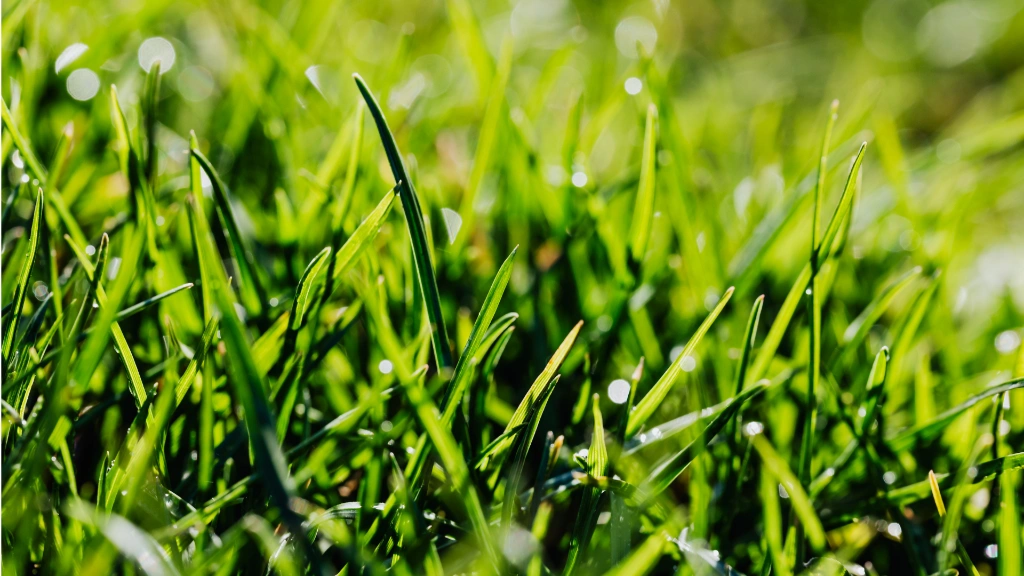
Spring is an important time for lawn care in Woodstock, Ontario. After a long winter, your lawn may be dealing with compacted soil, leftover leaves, salt damage, thin patches, matted grass, or uneven early growth. A proper spring lawn care checklist helps you clean things up, support healthy growth, and prepare your property for the rest of the season.
The goal is not to rush outside the first warm day and do everything at once. Spring lawn care works best when you wait until the lawn is ready, clean up gently, assess the condition of the grass, and then decide what the property actually needs.
For many Woodstock homeowners, spring maintenance may include raking, debris cleanup, the first mow of the season, aeration, fertilizing, overseeding, edging, and garden cleanup. If your property needs professional help, H.A.L Lawncare Service provides lawn care services in Woodstock, along with lawn mowing services and garden maintenance and design services.
When Should Spring Lawn Care Start in Woodstock?
Spring lawn care in Woodstock should usually start when the ground has dried enough to work on without causing damage. Even if the weather feels warm, the lawn may still be soft, wet, or vulnerable after snowmelt and spring rain.
Walking, raking, or using equipment on a soggy lawn can compact the soil and damage new growth. Before starting spring lawn care, check whether the ground feels firm underfoot and whether the grass is beginning to actively grow.
A good spring starting point is when:
- The lawn is no longer soggy from snowmelt or rain
- The grass is beginning to green up and grow
- You can walk across the lawn without leaving deep footprints
- Most winter debris is visible and ready to be cleaned up
- Temperatures are consistently mild enough for active growth
If you are not sure whether your lawn is ready, it is better to wait a little longer than to damage soft spring soil.
Spring Lawn Care Checklist at a Glance
Use this checklist as a practical starting point for getting your Woodstock lawn ready for the growing season.
| Spring Task | Why It Matters | When to Do It |
|---|---|---|
| Clear debris | Removes sticks, leaves, and winter buildup that can block sunlight and airflow. | Once the lawn is dry enough to walk on. |
| Light raking | Helps lift matted grass and remove loose material. | Early spring, after the lawn dries. |
| Assess lawn damage | Identifies thin patches, compacted areas, salt damage, or drainage problems. | Before fertilizing, overseeding, or aerating. |
| First mow | Keeps new growth neat without cutting too short. | When grass is actively growing and tall enough to cut. |
| Aeration | Helps reduce soil compaction and improve movement of air, water, and nutrients. | Spring if needed, or fall for many lawns. |
| Overseeding | Helps fill thin or patchy areas. | Spring for spot repairs, with fall often better for larger seeding projects. |
| Fertilizing | Supports stronger spring growth when applied properly. | Once grass is actively growing. |
| Garden cleanup | Keeps flowerbeds, shrubs, hedges, and edges looking neat. | After winter debris is visible and conditions are workable. |
Step 1: Clean Up Winter Debris
The first spring lawn care task is usually a basic cleanup. Winter can leave behind branches, leaves, garbage, salt residue near walkways, and other debris that prevents your lawn from breathing and growing evenly.
Start by removing:
- Fallen branches and sticks
- Leaves and heavy organic debris
- Garbage or windblown material
- Dead plant material near lawn edges
- Debris around garden beds, fences, and walkways
Do this gently. Aggressive raking too early can pull up grass that is still weak from winter. If the lawn is wet, wait until it dries before doing a full cleanup.
If your property also has flowerbeds, shrubs, hedges, or overgrown garden areas, spring is a good time to consider garden maintenance services so the full outdoor space looks clean and cared for.
Step 2: Lightly Rake Matted Grass
After winter, some areas of the lawn may look flattened or matted. Light raking can help lift the grass, remove loose material, and improve airflow around the lawn surface.
The key is to rake lightly. A spring rake should not tear up healthy grass or dig aggressively into the soil. If you see areas that are dead, thin, or damaged, make note of them for later repair.
Raking can help with:
- Matted grass after snow
- Leaves that were missed in fall
- Loose dead grass
- Small debris caught in the lawn
- Edges around beds, walkways, and driveways
Canada.ca notes that healthy lawn care includes good mowing, fertilizing, aerating, overseeding, watering, and removing heavy material that may smother the lawn. You can review their general guidance on maintaining a lawn for more background.
Step 3: Check for Winter Lawn Damage
Before adding seed, fertilizer, or other lawn treatments, take time to inspect the lawn. Spring is when winter problems become easier to see.
Look for:
- Thin or patchy grass
- Bare spots
- Compacted areas where water does not soak in well
- Salt damage near sidewalks, driveways, or road edges
- Areas where grass is matted down
- Standing water or drainage issues
- Uneven growth across the lawn
This step helps you decide whether the lawn simply needs regular lawn mowing, or whether it also needs deeper lawn care services such as aeration, fertilizing, or overseeding.
Step 4: Plan the First Mow of Spring
The first mow of spring should happen when the grass is actively growing and tall enough to cut. Do not mow too early just because the calendar says it is spring. If the lawn is wet, soft, or barely growing, mowing can do more harm than good.
When it is time for the first mow, avoid cutting too short. A good rule is to follow the one-third rule, which means you should avoid removing more than one-third of the grass blade at one time.
The first spring mow should help:
- Even out early growth
- Clean up the look of the property
- Encourage a maintained appearance
- Prevent grass from becoming too long and difficult to manage
Better Homes & Gardens provides helpful guidance on mowing height and the one-third rule, including why cutting too much at once can stress the lawn.
For homeowners who want regular upkeep throughout the season, H.A.L Lawncare Service offers residential and commercial lawn mowing services in Woodstock.
Step 5: Sharpen or Check Your Mower Blades
If you handle mowing yourself, spring is a good time to check your mower blades. Dull blades can tear grass instead of cutting it cleanly. Torn grass tips can look brown, ragged, and stressed.
Clean cuts are better for lawn appearance and lawn health. If the grass looks frayed or discoloured after mowing, dull blades may be part of the problem.
Before the mowing season gets busy, check:
- Are the mower blades sharp?
- Is the mower cutting evenly?
- Is the mowing height set properly?
- Is the mower clean and ready for the season?
If you would rather avoid managing the mowing schedule and equipment yourself, professional lawn mowing services can help keep the property maintained throughout the growing season.
Step 6: Decide if the Lawn Needs Aeration
Spring can be a good time to assess whether your lawn is compacted. Compacted soil makes it harder for air, water, and nutrients to reach the roots. This can lead to weak, thin, or uneven growth.
Your lawn may need aeration if:
- The soil feels hard underfoot
- Water pools or runs off instead of soaking in
- The grass looks thin or weak
- The lawn gets heavy use from people, pets, or equipment
- The lawn struggles to grow evenly
A simple test is to push a screwdriver into the soil. If it is difficult to push in, the soil may be compacted.
Fall is often the best time for aeration in Ontario, but spring aeration can make sense when compaction is already affecting lawn growth. For a deeper explanation, read our guide on when to aerate your lawn in Ontario.
Step 7: Overseed Thin or Patchy Areas
Spring can be used for spot overseeding, especially where winter left thin or bare areas. Overseeding means adding grass seed to an existing lawn to help improve density and fill weak spots.
Before overseeding, it is important to prepare the area properly. Seed needs contact with soil, not just dead grass or debris. Light raking, aeration, or topdressing may help create better conditions for new seed.
Overseeding may help with:
- Thin patches after winter
- Bare areas from foot traffic
- Weak spots near walkways or driveways
- Areas damaged by salt, pets, or heavy use
- Lawns that look uneven or tired
Canada.ca recommends overseeding thinned areas as part of good lawn maintenance. Their guide on how to have a healthy lawn also explains several basic lawn care practices that help support dense, healthy grass.
Step 8: Fertilize When the Grass Is Actively Growing
Fertilizing can support healthier spring growth, but timing matters. Fertilizer should generally be applied when the grass is actively growing, not when the lawn is still dormant or stressed.
Fertilizing too early may not give the lawn the benefit you expect. Applying too much fertilizer or using the wrong type can also cause problems. The best approach depends on the condition of the lawn, the time of year, and what the grass needs.
Spring fertilizing can help support:
- Improved colour
- Stronger growth
- Recovery after winter
- Better lawn density
- Healthier overall appearance
If your lawn is thin, patchy, compacted, or tired-looking, fertilizing may work best as part of a broader lawn care plan that includes aeration or overseeding when needed.
Step 9: Be Careful With Spring Watering
Spring watering depends on rainfall and soil conditions. In many cases, spring lawns do not need heavy watering because seasonal moisture is already available. Overwatering can create shallow roots, soggy soil, and unnecessary runoff.
As the season moves toward summer, watering may become more important during dry periods. In Woodstock and Oxford County, homeowners should also be aware of local outdoor water use rules.
Oxford County’s water conservation program applies during the warmer months and helps conserve groundwater when outdoor water use increases. The City of Woodstock also notes that outdoor municipal water use is limited to specific times under the County’s external water use bylaw. Homeowners can review current details through Oxford County’s water conservation information.
For spring lawn care, the main point is simple: water only when needed, follow local rules, and avoid creating soggy conditions.
Step 10: Watch for Weeds, But Focus on Lawn Health First
Spring is when weeds often begin to show up. It can be tempting to focus only on removing weeds, but recurring weed problems are often a sign that the lawn itself needs improvement.
A thick, healthy lawn is better able to compete with weeds. Thin, compacted, or weak lawns create more space for weeds to move in.
To reduce weed pressure naturally, focus on:
- Proper mowing height
- Healthy soil
- Aeration when soil is compacted
- Overseeding thin areas
- Proper watering
- Consistent seasonal maintenance
Canada.ca notes that before using herbicides, homeowners can try improving the general condition of the lawn through practices such as aerating, overseeding, and hand weeding. Their guide on dealing with lawn problems is a useful resource for understanding common lawn issues.
Step 11: Clean Up Garden Beds, Shrubs, and Edges
Spring lawn care is not only about the grass. Flowerbeds, shrubs, hedges, and edges have a major impact on how clean and cared for the whole property looks.
A lawn can be freshly mowed but still look messy if garden beds are full of debris or shrubs are overgrown. Spring is a good time to clean up beds, remove winter debris, shape planted areas, and make the property look more organized.
Spring garden maintenance may include:
- Cleaning flowerbeds
- Removing leaves and debris
- Trimming shrubs and hedges
- Refreshing edges around lawn and garden areas
- Cleaning up overgrown or messy outdoor spaces
For help with garden cleanup, H.A.L Lawncare Service provides garden maintenance and design services in Woodstock.
Step 12: Create a Simple Spring Lawn Maintenance Plan
Once the lawn is cleaned up and assessed, create a simple plan for the rest of the season. This helps prevent the lawn from becoming overgrown, thin, or difficult to manage later.
A spring lawn maintenance plan should consider:
- How often the lawn needs mowing
- Whether the lawn needs aeration
- Whether thin patches need overseeding
- Whether fertilizing is appropriate
- Whether garden beds or shrubs need cleanup
- Whether the property needs residential or commercial maintenance
If you are not sure what your lawn needs, compare the difference between lawn mowing and lawn care. Mowing keeps the grass trimmed and presentable, while lawn care focuses on improving the health and condition of the lawn.
Spring Lawn Care Checklist for Woodstock Homeowners
Here is a simple checklist you can use each spring.
- Wait until the lawn is dry enough to walk on.
- Remove branches, leaves, garbage, and winter debris.
- Lightly rake matted grass and loose material.
- Inspect the lawn for thin patches, bare spots, salt damage, and compaction.
- Plan the first mow once grass is actively growing.
- Follow the one-third rule and avoid cutting too short.
- Check mower blades and mowing height.
- Consider aeration if the soil feels hard or compacted.
- Overseed thin or patchy areas where needed.
- Fertilize only when the grass is actively growing.
- Water carefully and follow local outdoor water use rules.
- Clean up flowerbeds, shrubs, hedges, and garden edges.
- Set up a regular lawn mowing or maintenance schedule for the growing season.
Frequently Asked Questions About Spring Lawn Care in Woodstock
When should I start spring lawn care in Woodstock?
Start spring lawn care when the lawn has dried enough to walk on without leaving deep footprints and the grass is beginning to actively grow. Avoid heavy raking, mowing, or equipment use while the ground is still wet and soft.
Should I rake my lawn in early spring?
Light raking can help remove debris and lift matted grass, but avoid aggressive raking when the lawn is wet or weak. Wait until the lawn is dry enough to handle light cleanup.
When should I mow my lawn for the first time in spring?
The first mow should happen when grass is actively growing and tall enough to cut. Avoid cutting too short, and follow the one-third rule so you do not remove too much grass at once.
Is spring a good time to aerate my lawn?
Spring aeration can be helpful if the lawn is compacted or struggling, but fall is often the better time for many Ontario lawns. If the soil is very hard, water runs off, or grass is weak, spring aeration may still be worth considering.
Can I overseed my lawn in spring?
Yes, spring can be used for spot overseeding thin or damaged areas. For larger overseeding projects, fall is often better because cooler temperatures and moisture can support establishment.
Should I fertilize my lawn in spring?
Spring fertilizing can help support growth once the grass is actively growing. Avoid fertilizing too early when the lawn is dormant, frozen, or stressed.
Why does my lawn look patchy after winter?
Patchy grass after winter can be caused by compacted soil, snow cover, salt damage, pet damage, drainage issues, or general winter stress. Aeration, overseeding, fertilizing, and proper mowing may help improve the lawn over time.
Do I need lawn care or just lawn mowing?
If the grass is healthy but too long, you may only need lawn mowing. If the lawn is thin, patchy, compacted, or tired-looking, you may need lawn care services such as aeration, fertilizing, or overseeding.
Need Help With Spring Lawn Care in Woodstock?
Spring is the best time to get your property ready for the growing season. Whether your lawn needs cleanup, mowing, aeration, overseeding, fertilizing, or help with garden areas, H.A.L Lawncare Service can help keep your outdoor space neat, healthy, and well maintained.
To request a quote for spring lawn care, contact H.A.L Lawncare Service today.
Our Services
Complete Lawn & Yard Services
We offer a range of lawn care and outdoor maintenance services designed to keep residential and commercial properties looking neat, healthy, and inviting throughout the season.
Lawn Mowing
Services
Keep your property looking clean, polished, and well cared for with reliable lawn mowing services tailored to your needs.
Lawn Care
Services
Give your lawn the care it needs to grow thicker, greener, and healthier with aerating, fertilizing, and overseeding services.
Garden Maintenance & Design
Refresh the look of your property with garden maintenance and design services that keep flowerbeds, hedges, and shrubs neat, attractive, and well planned.
Contact Us
Request a Quote Today
Looking for dependable lawn care or property maintenance in Woodstock or the surrounding area?
Get in touch with H.A.L Lawncare Service today to request a quote for residential or commercial services.