
Weekly vs. Bi-Weekly Lawn Mowing: Which Is Better?
Stay up to date with news, helpful information, and seasonal insights from H.A.L Lawncare Service.
August 25, 2026


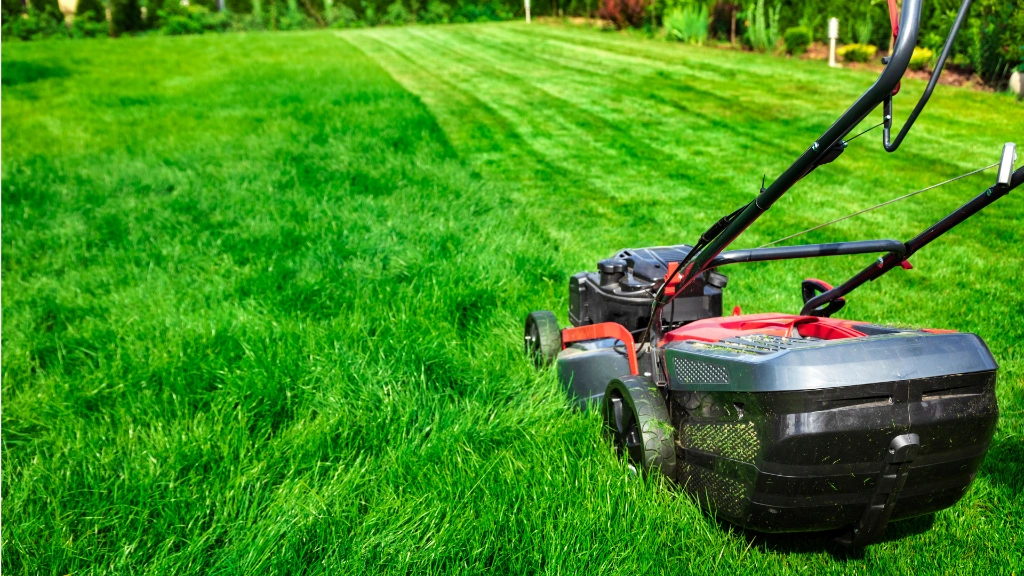
Weekly and bi-weekly lawn mowing can both make sense, but the right schedule depends on how quickly your grass is growing, the time of year, the weather, and how neat you want your property to look.
For many Woodstock homeowners, weekly lawn mowing is often better during active growth periods in spring and early summer. Bi-weekly lawn mowing may work during slower growth periods, especially during hot or dry weather when grass is not growing as quickly. The main thing is to avoid letting the lawn get so long that each cut removes too much grass at once.
If you want help keeping your lawn neat and manageable throughout the season, H.A.L Lawncare Service provides lawn mowing services in Woodstock, ON for residential and commercial properties.
Quick Answer: Weekly Mowing Is Usually Better During Active Growth
Weekly mowing is usually the better option when grass is growing quickly. It helps keep the lawn at a consistent height, prevents it from becoming overgrown, and supports a cleaner overall appearance.
Bi-weekly mowing can work when growth slows down, but it is not always ideal. If the grass gets too long between visits, the next cut may remove too much of the blade, leaving the lawn stressed, uneven, or covered in heavy clippings.
| Mowing Schedule | Best For | Possible Issue |
|---|---|---|
| Weekly lawn mowing | Spring, early summer, fast-growing lawns, and properties that need a consistently neat appearance. | May be more frequent than needed during hot, dry, or slow-growth periods. |
| Bi-weekly lawn mowing | Slower growth periods, lower-maintenance lawns, and dry summer stretches. | Grass may get too long between cuts during active growth. |
The One-Third Rule Matters More Than the Calendar
The best mowing schedule is not just about whether you mow every week or every two weeks. It is about how much grass is being removed each time.
A common lawn mowing guideline is the one-third rule. This means you should avoid cutting off more than one-third of the grass blade in a single mow. Cutting too much at once can stress the lawn, weaken growth, and leave behind clumps of grass.
Cornell’s lawn mowing guidance explains that mowing high and following the one-third rule can support deeper roots and help grass compete better with weeds. You can read more from Cornell IPM’s mowing guide.
In practical terms, if your grass is growing quickly, bi-weekly mowing may allow it to get too tall. If the lawn is growing slowly, weekly mowing may not always be necessary.
When Weekly Lawn Mowing Is Better
Weekly lawn mowing is often the better choice when the lawn is actively growing. This is common in spring and early summer in Ontario, especially after rain and during mild temperatures.
Weekly mowing can help:
- Keep grass at a consistent height
- Prevent the lawn from becoming overgrown
- Reduce heavy grass clippings
- Maintain cleaner edges around walkways, driveways, fences, and garden beds
- Improve curb appeal for homes and businesses
- Make each mowing visit easier on the lawn
A regular mowing schedule is especially helpful for commercial properties, rental properties, busy homeowners, and anyone who wants the lawn to look neat throughout the season.
For help with consistent seasonal upkeep, visit our lawn mowing services page.
When Bi-Weekly Lawn Mowing Can Work
Bi-weekly lawn mowing can work during periods when grass growth slows down. This often happens during hot, dry weather in summer, when the lawn may not be growing quickly enough to need weekly cutting.
Bi-weekly mowing may be reasonable if:
- The grass is growing slowly
- The lawn is not getting too tall between cuts
- The property does not need a highly manicured appearance every week
- The weather is dry and the lawn is under summer stress
- The lawn can still be cut without removing more than one-third of the blade
The risk is that bi-weekly mowing can become too infrequent during spring growth. When grass gets long, it may need to be cut gradually instead of being cut short all at once.
Weekly vs. Bi-Weekly Mowing by Season in Woodstock
Woodstock lawns do not grow at the same speed all year. A mowing schedule that works in May may not make sense in July or October.
| Season | Likely Better Schedule | Why |
|---|---|---|
| Spring | Weekly mowing | Grass usually grows quickly with mild temperatures and seasonal moisture. |
| Early summer | Weekly or as needed | Growth may still be strong, especially after rain. |
| Hot, dry summer periods | Bi-weekly may work | Grass may slow down and need less frequent cutting. |
| Fall | Weekly or as needed | Cooler weather and moisture can restart active growth before winter. |
Better Homes & Gardens notes that mowing frequency depends on grass type, weather, growth, and season, not just a fixed schedule. Their guide on how often to mow a lawn is a useful reference for understanding why timing should change through the year.
What Happens If You Wait Too Long Between Mows?
Waiting too long between mows can create several problems. Long grass may look messy, but it can also make the next cut harder on the lawn.
If grass gets too long, mowing may cause:
- Stress from removing too much blade at once
- Heavy clippings that sit on top of the lawn
- Uneven cutting
- A shaggy or rough-looking finish
- More cleanup after mowing
- Weaker appearance after the cut
This is why weekly mowing is often better when the lawn is growing quickly. It keeps the grass within a manageable range and avoids dramatic cuts.
Is Weekly Mowing Bad for the Lawn?
Weekly mowing is not bad for the lawn when it is done properly. The issue is not the weekly schedule itself. The issue is cutting too short, mowing wet grass, using dull blades, or mowing when the lawn is under stress.
Weekly mowing can be healthy when:
- The grass is actively growing
- The mower height is set properly
- Only a small amount is removed each time
- The lawn is dry enough to cut cleanly
- The mower blades are sharp
Good mowing habits matter just as much as frequency. Our guide on how often to mow your lawn in Woodstock covers this in more detail.
Is Bi-Weekly Mowing Enough?
Bi-weekly mowing may be enough for some lawns during slower growth periods, but it is not always enough during spring or active growth. If your lawn looks overgrown before the next cut, bi-weekly mowing is probably too infrequent.
Bi-weekly mowing may not be enough if:
- The lawn looks shaggy after only one week
- Grass is falling over before the next mow
- The next cut removes too much grass
- Clippings are heavy and clumpy
- Edges around the property look messy
- The property needs consistent curb appeal
For commercial properties or front-facing residential lawns, weekly mowing often creates a cleaner and more dependable appearance.
Residential vs. Commercial Mowing Schedules
Residential and commercial properties may need different mowing schedules.
A homeowner may be comfortable with a more flexible schedule if the lawn is not growing quickly. A commercial property, however, may need a more consistent appearance because customers, tenants, staff, and visitors see the exterior regularly.
Commercial properties often benefit from weekly mowing during active growth because it helps maintain:
- A professional first impression
- Cleaner grass around entrances and walkways
- Better curb appeal
- Consistent property presentation
- Less risk of the property looking neglected
H.A.L Lawncare Service provides residential and commercial lawn mowing in Woodstock for properties that need dependable seasonal maintenance.
When Lawn Mowing Is Not Enough
Sometimes a lawn is being mowed regularly but still looks thin, patchy, dull, or unhealthy. In that case, the issue may not be the mowing schedule. The lawn may need deeper care.
A lawn may need lawn care services if it has:
- Thin or patchy grass
- Compacted soil
- Poor colour
- Weak growth
- Bare spots
- Uneven density
Mowing keeps the lawn trimmed. Lawn care helps improve the condition of the grass itself. For more detail, read our guide on lawn mowing vs. lawn care.
How Garden Maintenance Fits In
A freshly mowed lawn can still look unfinished if garden beds, shrubs, and hedges are overgrown. If the grass looks good but the property still feels messy, the issue may be the surrounding garden areas.
H.A.L Lawncare Service also provides garden maintenance and design services to help keep flowerbeds, shrubs, hedges, and outdoor spaces neat and cared for.
A complete property maintenance plan may include:
- Weekly or seasonal lawn mowing
- Lawn care for thin or patchy grass
- Garden maintenance for beds, shrubs, and hedges
- Seasonal cleanup in spring and fall
So, Which Is Better: Weekly or Bi-Weekly Lawn Mowing?
Weekly lawn mowing is usually better when grass is growing quickly, when curb appeal matters, or when the lawn needs a consistent appearance. Bi-weekly lawn mowing can work during slower growth periods, especially in hot or dry weather.
The best schedule is the one that keeps the lawn neat without cutting too much grass at once.
| Choose Weekly Mowing If… | Choose Bi-Weekly Mowing If… |
|---|---|
| Your grass grows quickly. | Your grass is growing slowly. |
| You want a consistently neat lawn. | You are comfortable with a more flexible appearance. |
| The property is commercial or front-facing. | The property is lower maintenance. |
| Bi-weekly cuts remove too much grass. | The lawn stays manageable between cuts. |
Frequently Asked Questions About Weekly and Bi-Weekly Lawn Mowing
Is weekly lawn mowing better than bi-weekly mowing?
Weekly lawn mowing is often better during active growth periods because it keeps grass at a manageable height and helps avoid cutting too much at once. Bi-weekly mowing may work when growth slows down.
Is bi-weekly lawn mowing bad?
Bi-weekly mowing is not automatically bad, but it can be too infrequent when grass is growing quickly. If the lawn becomes long, shaggy, or clumpy between cuts, weekly mowing is likely a better option.
How often should I mow my lawn in Woodstock?
Many Woodstock lawns need mowing regularly during the growing season, often weekly in spring and early summer. During hot, dry summer weather, mowing may be needed less often.
Should I mow every week in summer?
Not always. Summer mowing depends on rainfall, heat, and grass growth. During dry periods, grass may slow down and need less frequent cutting.
What happens if grass gets too long before mowing?
Long grass can be harder to cut cleanly. It may leave heavy clippings, create an uneven finish, and stress the lawn if too much is removed at once.
Can regular mowing help lawn health?
Yes, when done properly. Regular mowing at the right height can support a healthier lawn, but thin or patchy grass may also need lawn care services such as aeration, fertilizing, or overseeding.
Need Help Choosing a Lawn Mowing Schedule?
A good mowing schedule should match the season, the property, and the way the grass is growing. Whether your lawn needs regular weekly mowing or a more flexible seasonal plan, H.A.L Lawncare Service can help keep your property neat, trimmed, and well maintained.
To request a quote for lawn mowing in Woodstock, contact H.A.L Lawncare Service today.
Our Services
Complete Lawn & Yard Services
We offer a range of lawn care and outdoor maintenance services designed to keep residential and commercial properties looking neat, healthy, and inviting throughout the season.
Lawn Mowing
Services
Keep your property looking clean, polished, and well cared for with reliable lawn mowing services tailored to your needs.
Lawn Care
Services
Give your lawn the care it needs to grow thicker, greener, and healthier with aerating, fertilizing, and overseeding services.
Garden Maintenance & Design
Refresh the look of your property with garden maintenance and design services that keep flowerbeds, hedges, and shrubs neat, attractive, and well planned.
Contact Us
Request a Quote Today
Looking for dependable lawn care or property maintenance in Woodstock or the surrounding area?
Get in touch with H.A.L Lawncare Service today to request a quote for residential or commercial services.