
Garden Maintenance Checklist for Homeowners
Stay up to date with news, helpful information, and seasonal insights from H.A.L Lawncare Service.
July 26, 2026


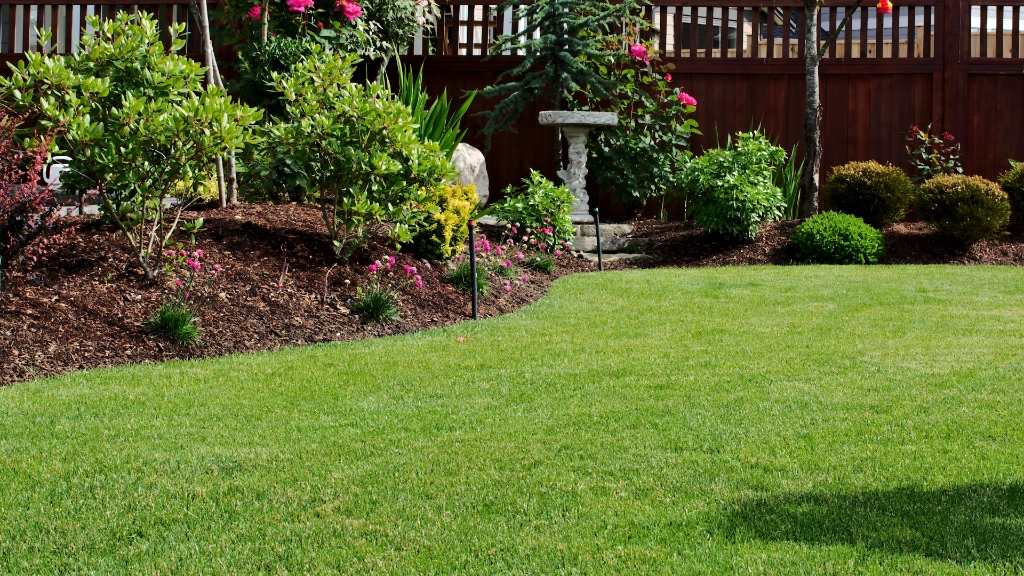
A well-maintained garden can make your entire property look cleaner, more welcoming, and better cared for. Even when the lawn is freshly cut, overgrown flowerbeds, messy shrubs, weeds, and untrimmed hedges can make the yard feel unfinished.
For homeowners in Woodstock, Ontario, garden maintenance is usually a seasonal job. Spring is the time to clean up winter debris and prepare garden beds. Summer is about keeping growth under control. Fall is the time to tidy outdoor spaces before winter. A simple checklist can help you stay on top of the most important tasks without letting the garden become overwhelming.
H.A.L Lawncare Service provides garden maintenance and design services in Woodstock for homeowners and commercial properties that need help with flowerbeds, shrubs, hedges, seasonal cleanup, and general outdoor upkeep.
Garden Maintenance Checklist at a Glance
Garden maintenance does not have to be complicated, but it does need to be consistent. The main goal is to keep outdoor areas clean, healthy, and manageable throughout the growing season.
| Garden Maintenance Task | Why It Matters | When to Do It |
|---|---|---|
| Remove debris | Clears leaves, sticks, dead plants, and winter buildup from beds. | Spring, summer as needed, and fall. |
| Weed garden beds | Reduces competition for water, space, sunlight, and nutrients. | Throughout the growing season. |
| Edge garden beds | Creates a cleaner separation between lawn and garden areas. | Spring and as needed through summer. |
| Trim shrubs | Keeps shrubs shaped, healthy-looking, and under control. | Depends on the shrub and flowering time. |
| Trim hedges | Maintains clean lines and prevents hedges from becoming overgrown. | As needed during active growth. |
| Refresh mulch | Helps garden beds look tidy and can support moisture retention. | Spring or early summer. |
| Check for pests or disease | Helps catch plant issues before they spread. | Throughout spring, summer, and fall. |
| Fall cleanup | Prepares garden beds, shrubs, and outdoor spaces before winter. | Fall, before heavy snow or freezing weather. |
If your garden beds, shrubs, or hedges are already overgrown, H.A.L Lawncare Service can help bring them back to a cleaner, more manageable condition through professional garden maintenance.
Step 1: Walk the Property and Assess the Garden Areas
Before you start cutting, trimming, or pulling weeds, walk the property and look at each garden area. This helps you understand what needs attention first and prevents you from doing unnecessary work.
Look at:
- Flowerbeds near the front of the home
- Garden beds along fences, walkways, and driveways
- Shrubs and hedges near entrances or windows
- Overgrown areas that are spreading into the lawn
- Dead or damaged plants
- Weeds, invasive plants, or unwanted growth
- Edges between the lawn and garden beds
This is also a good time to decide whether your property only needs garden maintenance, or whether it would benefit from other services like lawn mowing or lawn care.
Step 2: Remove Leaves, Sticks, and Garden Debris
Garden cleanup usually starts with debris removal. Leaves, sticks, dead plants, and leftover winter material can make garden beds look messy and block new growth.
In spring, remove winter debris gently so you do not damage new shoots or disturb plants that are starting to come back. In summer, remove dead leaves, broken stems, and spent plant material as needed. In fall, remove heavy buildup before winter so beds do not become matted and messy.
Common debris to remove includes:
- Dead annuals from the previous season
- Broken branches or sticks
- Leaves trapped around shrubs and hedges
- Dead plant stems
- Garbage or windblown debris
- Old plant labels, pots, or garden materials
For Woodstock homeowners, it is also worth checking local yard waste options. The City of Woodstock provides information on yard waste disposal, while Oxford County notes that collected brush, leaf, and yard waste from depots is transported for composting. You can review Oxford County’s organic waste and yard waste information for current details.
Step 3: Weed Flowerbeds Regularly
Weeding is one of the most important parts of garden maintenance. Weeds compete with garden plants for water, sunlight, space, and nutrients. They can also make even a well-planned garden look neglected.
The best approach is to weed regularly before weeds become large, established, or difficult to remove. Pulling weeds after rain can be easier because the soil is softer, but avoid stepping heavily into wet beds if the soil is very soft.
When weeding, try to remove the root instead of only pulling off the top growth. If roots are left behind, many weeds can come back quickly.
A simple weeding routine should include:
- Checking flowerbeds weekly during active growth
- Removing young weeds before they spread
- Pulling weeds from the root when possible
- Watching for weeds along bed edges and fence lines
- Keeping weeds from spreading into the lawn
Ontario provides guidance on natural ways to manage pests in home gardens, including encouraging healthy plants, choosing suitable plants, and using lower-risk options where appropriate.
Step 4: Watch for Invasive Plants
Not every unwanted plant is just a simple weed. Some garden plants can spread aggressively and become invasive, especially when yard waste is dumped or plant material is moved from one area to another.
Invasive plants can crowd out other plants, spread beyond garden beds, and create long-term maintenance problems. If you are dealing with a plant that spreads quickly through roots, runners, seeds, or fragments, it is worth identifying it before removing or disposing of it.
Ontario recommends avoiding the relocation of plants between properties and checking with your municipality about proper disposal for invasive plants. The province also advises not dumping yard waste in natural areas because it can spread invasive plants and smother existing vegetation.
Helpful resources include Ontario’s page on invasive species in Ontario and the Ontario Parks reminder to keep yard waste out of local green spaces.
Step 5: Edge Garden Beds for a Cleaner Look
Clean edges can make a major difference in how professional your garden looks. Even simple garden beds look better when there is a clear separation between the lawn and the planted area.
Edging helps prevent grass from creeping into garden beds and gives the yard a more organized appearance. It is especially useful around front walkways, driveways, patios, fences, and foundation plantings.
Garden bed edging can help:
- Create a cleaner line between lawn and garden areas
- Reduce grass spreading into flowerbeds
- Improve curb appeal
- Make mowing and trimming easier
- Give garden beds a more intentional shape
If your lawn edges are also starting to look messy, regular lawn mowing services can help keep the grass around garden beds looking neat.
Step 6: Trim Shrubs at the Right Time
Shrub trimming helps keep plants shaped, controlled, and attractive. It can also improve airflow and remove dead, damaged, or crossing branches.
The right time to trim shrubs depends on the type of shrub. Some shrubs bloom on old wood, meaning they set their flower buds the year before. If those shrubs are pruned at the wrong time, you may remove next season’s flowers. Other shrubs can be trimmed more flexibly depending on growth and shape.
General shrub trimming goals include:
- Removing dead or damaged branches
- Keeping shrubs away from walkways, windows, and entrances
- Improving shape and appearance
- Preventing shrubs from crowding other plants
- Keeping the property looking clean and maintained
Ontario’s general healthy garden guidance notes that clean cuts are better for plants than tearing or ripping, since damaged cuts can create entry points for pests and disease. Their garden and lawn tips also recommend choosing plants suited to local conditions and keeping plants healthy through proper maintenance. You can review Ontario’s healthy garden and lawn tips for more context.
Step 7: Keep Hedges Neat and Under Control
Hedges can frame a property, create privacy, and give outdoor spaces a more finished appearance. But when hedges are left too long, they can quickly look overgrown and make the whole property feel less maintained.
Hedge trimming helps keep growth under control and creates a cleaner shape. For many homeowners, the most important areas are hedges near entrances, driveways, walkways, property lines, and front-facing garden beds.
Hedge maintenance may include:
- Trimming new growth
- Keeping sides and tops even
- Clearing growth away from walkways
- Removing dead or damaged sections
- Maintaining a cleaner shape through the season
H.A.L Lawncare Service provides garden maintenance and design services that can include shrub and hedge maintenance depending on the needs of the property.
Step 8: Refresh Mulch Where Needed
Mulch can improve the appearance of garden beds and help create a cleaner, more finished look. It can also help reduce weed pressure and support more consistent soil moisture when applied properly.
Before adding mulch, clean the bed first. Do not simply cover weeds, leaves, or dead plant material with new mulch. That can make the bed look better temporarily, but it does not solve the maintenance issue.
When refreshing mulch:
- Remove weeds and debris first
- Avoid piling mulch directly against plant stems or tree trunks
- Keep the layer even and not overly thick
- Use mulch to support a clean, finished appearance
- Watch for areas where mulch has washed away or become thin
Mulch is not a substitute for maintenance, but it can make a maintained garden bed look much cleaner.
Step 9: Deadhead and Remove Spent Growth
Deadheading means removing spent flowers from plants. This can help keep gardens looking cleaner and may encourage some plants to continue blooming. Even when deadheading does not create more flowers, it can still improve the appearance of the garden.
You should also remove dead, damaged, or diseased-looking growth when appropriate. This helps the garden look better and can reduce the chance of problems spreading.
Deadheading and cleanup may include:
- Removing spent flowers
- Cutting back dead stems
- Removing broken or damaged growth
- Cleaning up fallen petals or plant debris
- Keeping beds from looking messy between major cleanups
For busy homeowners, this is often the kind of ongoing garden maintenance that gets missed until the beds look overgrown.
Step 10: Check Plants for Pests and Disease
A good garden maintenance routine should include checking plants regularly. Look at leaves, stems, flowers, and the base of plants for signs of stress, pests, or disease.
Common warning signs include:
- Yellowing or browning leaves
- Spots on leaves
- Chewed leaves
- Wilting even when soil is moist
- Sticky residue or unusual buildup
- Powdery coating on leaves
- Dead sections within shrubs or hedges
Ontario’s home garden pest guidance encourages prevention first, including choosing appropriate plants, keeping plants healthy, and using physical or lower-risk controls where suitable. If a problem is serious, identify it properly before taking action.
Homeowners should also be aware of Ontario rules around pesticides for home lawns and gardens. The province explains that only certain pesticides can be used at home, including certain biopesticides and lower-risk products. You can review Ontario’s page on pesticides for home lawns and gardens for more information.
Step 11: Water Garden Beds Properly
Garden beds need water, but overwatering can be just as problematic as underwatering. The amount of water needed depends on the plants, soil, sun exposure, mulch, and weather.
In Woodstock, homeowners should also be mindful of local water use rules during warmer months. Oxford County provides water conservation information, including outdoor water use guidance for communities in the County.
For garden watering, focus on:
- Watering deeply when needed instead of lightly every day
- Watering near the base of plants rather than spraying leaves unnecessarily
- Checking soil moisture before watering
- Being careful with newly planted flowers, shrubs, or garden areas
- Following local outdoor water use rules
If garden beds dry out quickly, mulch and proper plant selection can help make the space easier to maintain.
Step 12: Keep Garden Beds From Spreading Into the Lawn
Garden beds and lawns often overlap if they are not maintained. Grass can creep into beds, and plants can spread into lawn areas. Over time, this makes both the garden and lawn harder to manage.
To keep a cleaner property layout:
- Maintain clear bed edges
- Trim plants that spread over lawn areas
- Remove grass growing inside flowerbeds
- Keep shrubs and hedges from blocking mowing areas
- Review garden bed shape each season
This is where lawn and garden maintenance work together. H.A.L Lawncare Service can help keep the full property looking maintained with lawn mowing, lawn care, and garden maintenance.
Step 13: Plan Seasonal Garden Cleanup
Garden maintenance changes throughout the year. A checklist helps you stay ahead of seasonal cleanup instead of waiting until everything is overgrown.
| Season | Garden Maintenance Focus |
|---|---|
| Spring | Remove winter debris, clean beds, edge gardens, assess shrubs, refresh mulch, and prepare for new growth. |
| Summer | Weed regularly, deadhead flowers, trim shrubs and hedges as needed, water carefully, and keep beds clean. |
| Fall | Remove spent plants, clean heavy debris, tidy beds, manage leaves, and prepare outdoor spaces before winter. |
For many homeowners, the hardest part is consistency. A garden that is cleaned up once in spring can still become messy by midsummer if it is not maintained.
Step 14: Maintain Curb Appeal From the Street
When maintaining your garden, step back and look at the property from the street. This helps you see what visitors, neighbours, and passersby notice first.
Pay attention to:
- Front flowerbeds
- Shrubs near entrances
- Hedges along walkways or property lines
- Garden edges beside the lawn
- Weeds near the driveway or sidewalk
- Overgrown plants blocking windows, signs, or pathways
A clean garden improves curb appeal, but it works best when paired with a well-maintained lawn. For examples of local outdoor maintenance work, you can view H.A.L Lawncare Service’s recent lawn care and yard maintenance projects.
Common Garden Maintenance Mistakes to Avoid
A few common mistakes can make garden maintenance harder than it needs to be.
- Letting weeds get established: Small weeds are much easier to remove than mature weeds with deep roots.
- Pruning shrubs at the wrong time: Some flowering shrubs can lose next season’s blooms if trimmed too late.
- Adding mulch over weeds: Beds should be cleaned before new mulch is added.
- Dumping yard waste in natural areas: This can spread invasive plants and harm local habitats.
- Ignoring garden edges: Messy edges can make even healthy beds look unfinished.
- Overwatering: Too much water can stress plants and create soggy conditions.
- Forgetting the lawn: Garden beds look best when the surrounding grass is also maintained.
If your property has become difficult to manage, a professional cleanup can help reset the space before moving into a regular maintenance routine.
Frequently Asked Questions About Garden Maintenance
What is included in garden maintenance?
Garden maintenance can include flowerbed cleanup, weeding, edging, shrub trimming, hedge trimming, seasonal cleanup, mulch refreshing, and general upkeep around planted areas. The exact work depends on the property and what the garden needs.
How often should garden beds be maintained?
Garden beds should usually be checked regularly during the growing season. Weeding, edging, trimming, and cleanup are easier when handled consistently instead of waiting until beds become overgrown.
When is the best time for garden cleanup?
Spring and fall are the main cleanup seasons. Spring cleanup prepares beds for new growth, while fall cleanup removes spent plants, leaves, and debris before winter.
Do shrubs and hedges need to be trimmed every year?
Many shrubs and hedges benefit from regular trimming, but the timing depends on the type of plant and how it grows. Some flowering shrubs should be trimmed after blooming, while other hedges may need shaping during active growth.
Can garden maintenance improve curb appeal?
Yes. Clean flowerbeds, trimmed shrubs, neat hedges, and defined edges can make a home look more polished, welcoming, and well cared for.
What should I do with garden waste in Woodstock?
Woodstock homeowners should check current City of Woodstock and Oxford County yard waste guidance. Yard waste should not be dumped in parks, woodlots, roadside areas, or natural spaces because it can harm habitats and spread invasive plants.
Is garden maintenance the same as lawn care?
No. Garden maintenance focuses on flowerbeds, shrubs, hedges, and planted outdoor areas. Lawn care focuses on the health and condition of the grass itself, while lawn mowing keeps grass trimmed and neat.
Can garden maintenance be combined with lawn mowing?
Yes. Garden maintenance can be combined with regular lawn mowing to help keep the entire property looking clean, organized, and well maintained.
Need Help With Garden Maintenance in Woodstock?
Keeping garden beds, shrubs, hedges, and outdoor spaces maintained can take a lot of time, especially during spring and summer growth. H.A.L Lawncare Service helps homeowners and businesses in Woodstock keep their properties neat, attractive, and well cared for throughout the season.
To request a quote for garden maintenance or seasonal cleanup, contact H.A.L Lawncare Service today.
Our Services
Complete Lawn & Yard Services
We offer a range of lawn care and outdoor maintenance services designed to keep residential and commercial properties looking neat, healthy, and inviting throughout the season.
Lawn Mowing
Services
Keep your property looking clean, polished, and well cared for with reliable lawn mowing services tailored to your needs.
Lawn Care
Services
Give your lawn the care it needs to grow thicker, greener, and healthier with aerating, fertilizing, and overseeding services.
Garden Maintenance & Design
Refresh the look of your property with garden maintenance and design services that keep flowerbeds, hedges, and shrubs neat, attractive, and well planned.
Contact Us
Request a Quote Today
Looking for dependable lawn care or property maintenance in Woodstock or the surrounding area?
Get in touch with H.A.L Lawncare Service today to request a quote for residential or commercial services.